
The Real Cost of Manual Research Workflows in Broker-Dealer Businesses
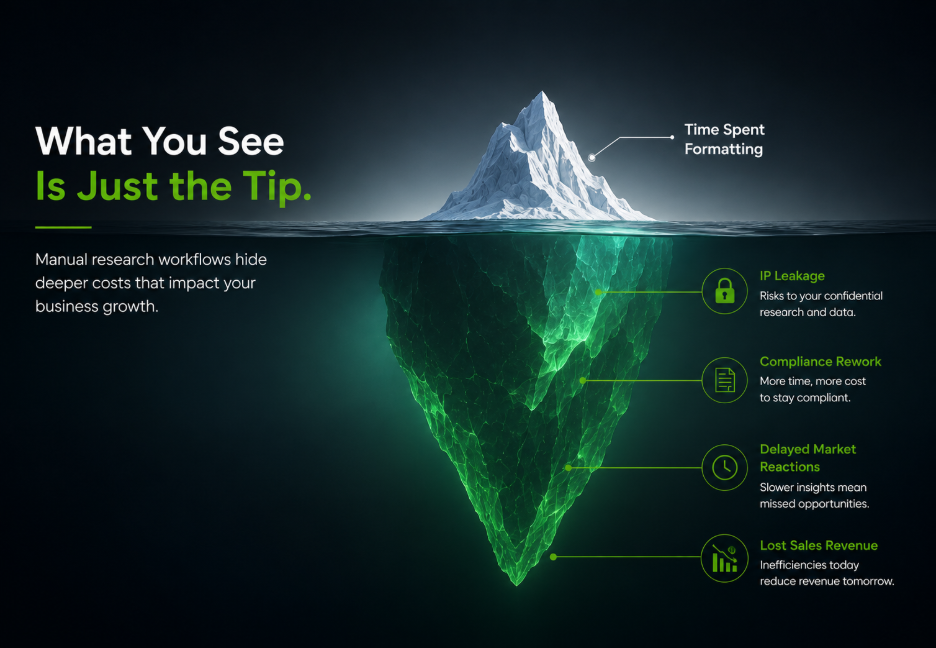
A manual research workflow does more than slow production. It quietly drains analyst time, delays approved-for-publication decisions, increases compliance rework, and weakens control over how premium research reaches the market.
That matters in today’s equity research business. Broker-dealers are under pressure to publish faster, prove research value more clearly, support equity sales with better targeting, and protect intellectual property. When research operations still run through email chains, disconnected files, and manual approvals, the cost is no longer administrative. It becomes commercial.
What Is a Manual Research Workflow in Broker-Dealer Research?
A manual research workflow is a research process that depends on people to move drafts, disclosures, approvals, publishing steps, and distribution tasks by hand instead of through a connected research management platform.
In practice, that often means:
- copying estimates into templates manually
- checking disclosures at the last minute
- routing drafts over email for supervisory analyst review
- managing multiple file versions across teams
- publishing PDFs and email alerts through separate tools
- tracking readership and research consumption analytics after the fact
The result is friction at the exact point where broker-dealers need speed, accuracy, and control.
What Are the Real Costs Hiding Inside These Workflows?
The cost is broader than wasted time. It affects research productivity, client engagement, compliance discipline, and revenue visibility.
The longer a manual research workflow stays in place, the more these costs become normalized.
Why Do Delays and Rework Hurt Research Teams So Much?
Because the pain shows up in daily broker-dealer life.
A few common examples:
- A morning note gets delayed because compliance comments sit in email threads instead of a structured approval queue.
- A research note goes back for rework because ratings history or disclosures were not updated correctly.
- An equity sales desk cannot target the right accounts because readership data is not connected to CRM or entitlement records.
- A premium report gets forwarded beyond intended recipients because research access governance is weak.
None of these failures looks dramatic on its own. Together, they reduce research productivity and make the franchise look slower than it is.
How Does Manual Research Compare With Automated Research Operations?
The operational gap is usually wider than firms expect.
For broker-dealers, this is not only about efficiency. It is about getting research into the market faster, with better control and better evidence of value.
What Risks Do Compliance and Access Control Teams Face?
Manual workflows do not only slow research distribution. They also increase compliance exposure and commercial leakage.
Key risks include:
- outdated or incomplete disclosures
- weak audit trails around approvals and edits
- poor handling of a restricted list or watch list
- inconsistent MiFID II inducement and entitlement controls
- limited oversight on RIXML distribution to external channels
- weak protection of premium content once a report is sent
This is where access control becomes a real cost issue. If a broker-dealer cannot manage research entitlements, watermark distribution, or enforce secure delivery, it risks both compliance failure and loss of monetizable research value.
Who Pays the Price Across the Broker-Dealer Franchise?
The cost spreads across the business.
- Research analysts: lose time to admin, formatting, and rework
- Equity sales teams: get less timely content and weaker client targeting signals
- Buy-side clients: receive slower, less personalized research experiences
- Corporate access and issuer-facing teams: benefit less from coordination between research, sales, and client engagement workflows
When these functions operate in silos, firms also lose visibility into analyst access, corporate access, and which content actually drives engagement.
What Best Practices Help Firms Reduce This Drag?
A practical improvement plan usually starts with six moves:
- Centralize research content, templates, and data.
- Standardize supervisory and compliance approvals by report type.
- Build disclosure logic into the workflow, not after it.
- Connect publishing, distribution, and entitlement control.
- Track research consumption analytics at client and account level.
- Feed engagement data back into sales and research management.
That creates a tighter link between research publishing, compliance, and commercial outcomes.
Why Is ANALEC Resonate a Practical Fit for Modern Research Houses?
ANALEC Resonate is relevant because it addresses the workflow as a whole rather than one isolated step.
It helps firms:
- centralize research authoring and publishing
- improve collaboration across analysts, compliance, and publishing teams
- support faster research release through structured workflows
- strengthen compliance readiness and auditability
- manage distribution, research entitlements, and access control
- improve knowledge management and client engagement visibility
For broker-dealers, that means fewer operational gaps between writing research, approving it, distributing it, and proving its value after release.
What Should Broker-Dealers Take Away From This Shift?
Reducing reliance on a manual research workflow is not just an operations project. It is a strategic move for firms that want faster publishing, better compliance discipline, stronger sales effectiveness, and clearer research monetization.
As equity research becomes more digital, firms that connect authoring, approvals, distribution, and readership intelligence will be in a better position to protect research value and serve clients with greater precision. That is where ANALEC Resonate fits: as a practical foundation for modern broker-dealer research operations.
FAQs:
1.What is a manual research workflow in a broker-dealer business?
A manual research workflow is a process where analysts, compliance teams, and publishing staff handle research creation, approvals, disclosures, and distribution through disconnected tools such as email, spreadsheets, and standalone documents. This slows down research operations and increases the risk of errors, delays, and poor visibility across the publishing cycle.
2.Why do manual research workflows create hidden costs for broker-dealers?
Manual research workflows create hidden costs because they reduce analyst productivity, delay time-sensitive publishing, increase compliance rework, and weaken control over research distribution. They also make it harder for broker-dealers to track research engagement, support equity sales teams, and understand which content is creating value for clients.
3.How do manual research workflows affect compliance and risk management?
Manual processes can make compliance harder by creating inconsistent approval trails, outdated disclosures, weak version control, and gaps in access governance. For broker-dealers, this can increase supervisory burden and make it more difficult to manage restricted lists, entitlement controls, and secure research distribution.
4.How can research automation improve equity research operations?
Research automation helps firms centralize content, standardize approvals, improve publishing speed, and reduce repetitive manual work. It also supports better audit trails, stronger collaboration between analysts and compliance teams, and more reliable delivery of research to buy-side clients and other intended recipients.
5.Why is ANALEC Resonate relevant to modern research teams?
ANALEC Resonate is relevant because it supports the full research workflow, from authoring and approvals to compliance, publishing, distribution, and readership analytics. For broker-dealer firms, this helps reduce operational inefficiencies, improve compliance readiness, strengthen research access control, and deliver research faster and more effectively.